Sigma 50mm F/1.4 DG HSM Art 014
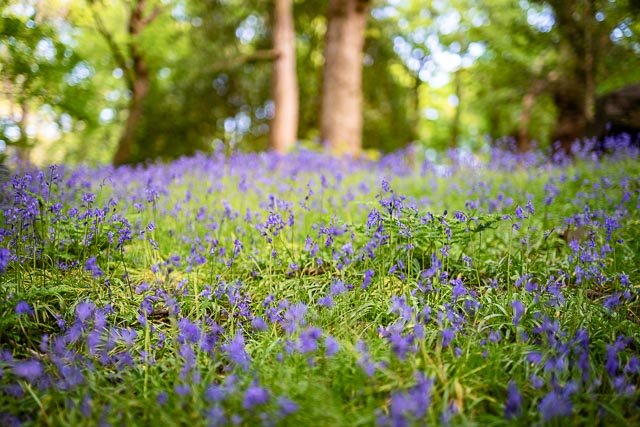
Shot on the Sony A7R III: f/1.4 - 1/100 - ISO 100. If you just want to see more images, jump straight to the Sigma 50mm F/1.4 DG HSM Art 014 gallery.
Introduction
| Announced | January 2014 |
|---|---|
| Focal length | 50mm |
| Aperture range | f/1.4-16 |
| Optical construction | 13 elements in 9 groups |
| Image stabilisation | No |
| Filter thread | 77 mm |
| Size | 815 grams - 85 x 100 mm |
| Full specifications on the Sigma Global website | |
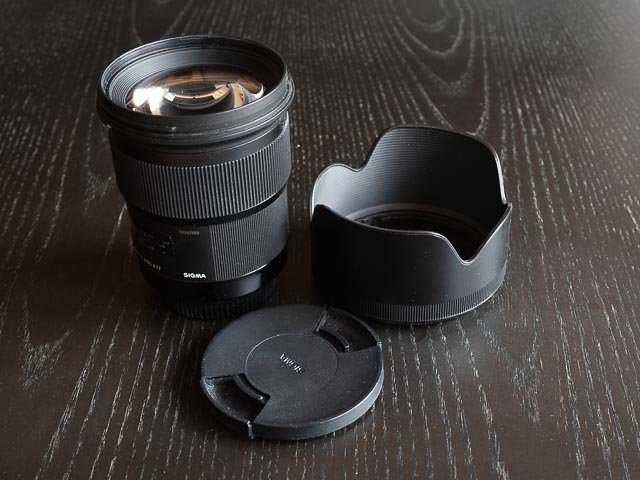
I remember when Sigma released this lens back in 2014 as one of their early "Global Vision Art" lenses. A 50mm f/1.4 lens that weighed the thick end of 1kg and took massive 77mm filters! Why would anyone want such a ridiculously big standard lens?! Well, here I am 10+ years later with precisely that lens! Back in the days of film the average 50mm f1.4 lens weighed something in the region of 250-350 grams. But as digital cameras pushed new heights in resolution ever more optically precise lenses were needed to take full advantage of these high resolution sensors.
This was the first lens I bought to go with my new Sigma SD Quattro H at the end of 2025 and I didn't really have a huge amount of choice… I needed it in Sigma SA mount and at the time I also wanted one of Sigmas "DG" or full frame lenses to ensure the SDQH's APS-H sensor was fully covered. I have since learnt that Sigma's APS-H Foveon sensor is slightly smaller than most APS-H sensors and in fact not really all that much bigger than most APS-C sensors. Because of this many of Sigma's "DC" or APS-C optimised lenses in fact work just dandily on the SDQH, but at first I stuck to full frame lenses, and since Sigma SA mount lenses are now all discontinued and quite rare on the second hand market, I had to take what was available!
But there's no doubt that while the Sigma 50mm F/1.4 DG HSM Art 014 is indeed almost hilariously gigantic (and the SDQH is also no lightweight, so the combination really is big), it is also beautifully built to the very highest standards. But how well does this big boy work on my Sigma SD Quattro H mirrorless camera and my much older Sigma SD14 DSLR? And one of my recent acquisitions is the Sigma MC-11 adapter that allows me to use my SA mount lenses on my Sony A7R III camera with full functionality, including auto-focus, so I can also see how these lenses work on a more conventional full frame mirrorless camera.
Using the Sigma 50mm F/1.4 Art on the Sigma Sigma SD Quattro H
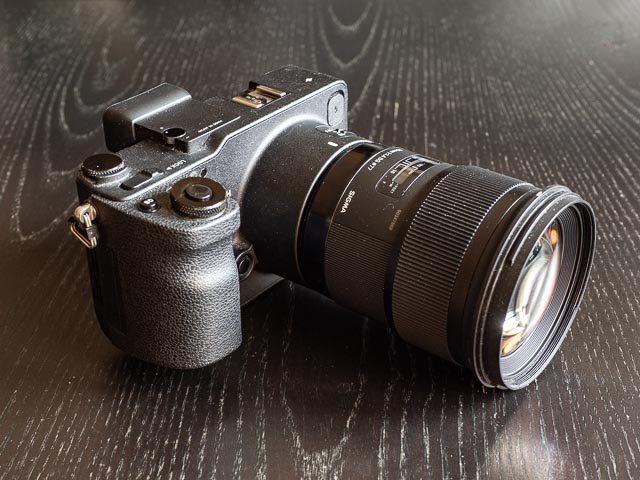 The SDQH has a crop factor of 1.35, so this lens has a field of view similar to a 67mm lens on a full frame camera. I basically treat it like a very long standard lens.
If you've read the section about focusing accuracy in my Sigma SD Quattro H article you'll know that it really suffers from poor focusing accuracy, particularly at large apertures. At first I wasn't sure whether to blame the lens or the camera, but I noticed similar problems on the subsequent Sigma SD mount lenses I bought. And what's more, I've not been able to use this lens on my Sony A7R III camera with full functionality, including auto-focus, via Sigma's MC-11 SD to E mount adapter, and on the Sony it focuses with perfect accuracy. So I am now in now doubt that the problem was with the camera, not the lens. This lens in fact focus fairly quickly on the SDQH. The combination of this lens with the SDQH is not focusing speed demon, but it's perfectly usable, speed wise, just not with the accuracy I expect.
And optical problems I noticed using this lens on my SDQH, such as large amount of longitudinal chromatic aberration (LoCA i.e. green, and sometimes magenta, colour fringing in out of focus parts of the image) also turned out to be to be Foveon sensor eccentricities in the SDQH rather than a problem with the lens.
But despite all these problems I ran into using this lens on my SDQH, I have learned to either work around them or just avoid the circumstances that generate them, and the combination of this lens with the SDQH really has given me some lovely images.
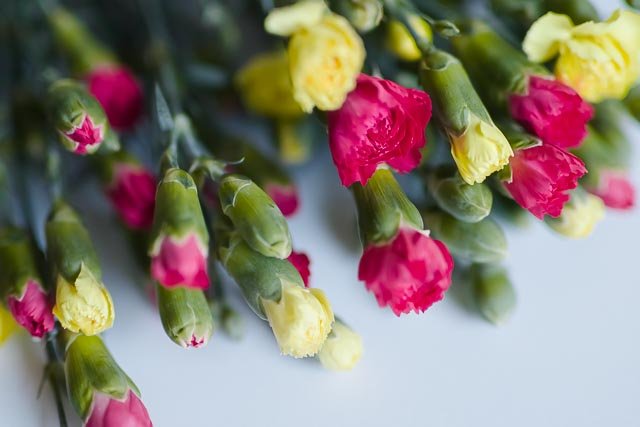
f/1.4 - 1/25 - ISO100
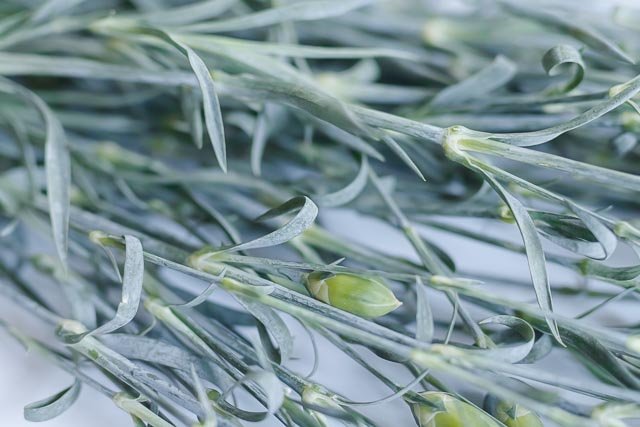
f/2.0 - 1/8 - ISO100
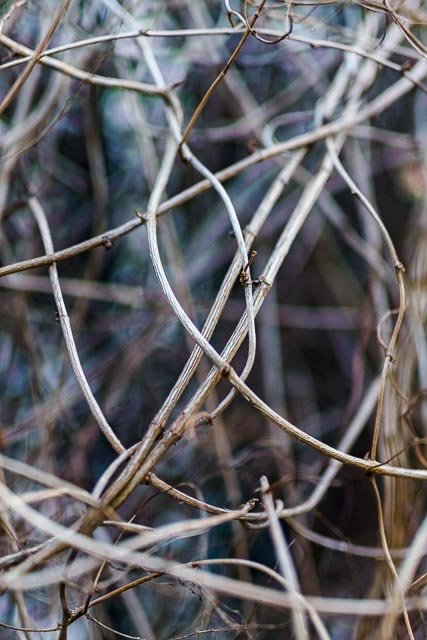
f/1.4 - 1/100 - ISO100
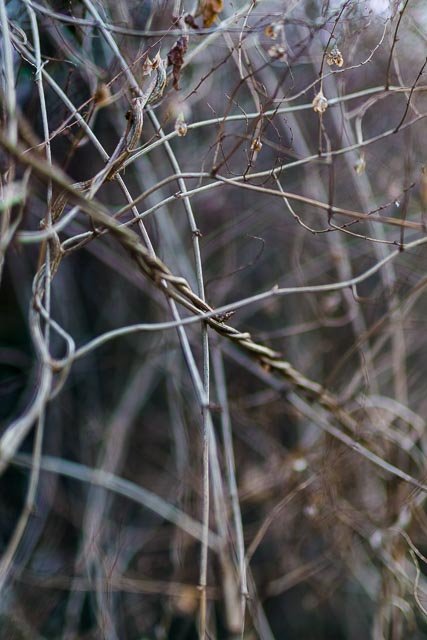
f/1.4 - 1/100 - ISO100
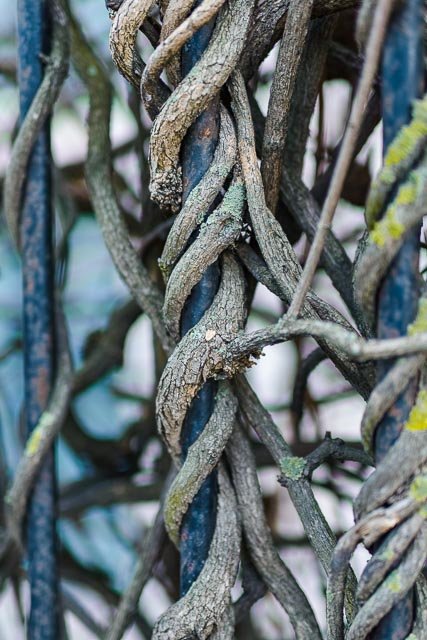
f/1.4 - 1/100 - ISO100
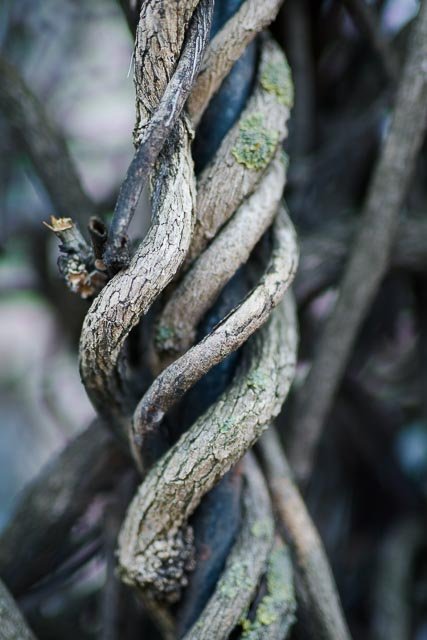
f/1.4 - 1/80 - ISO100
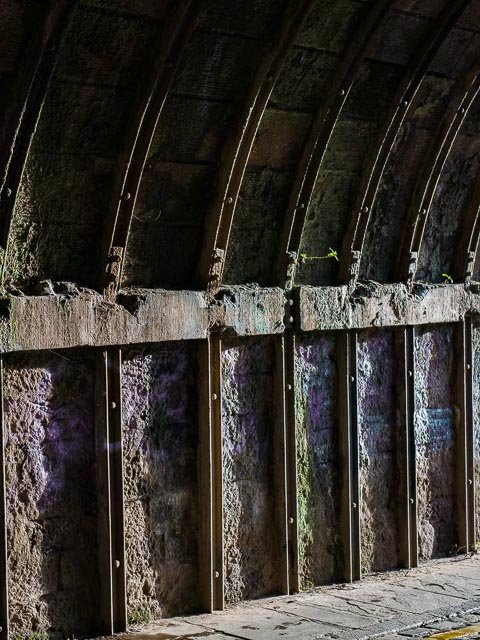
f/2.8 - 1/250 - ISO100
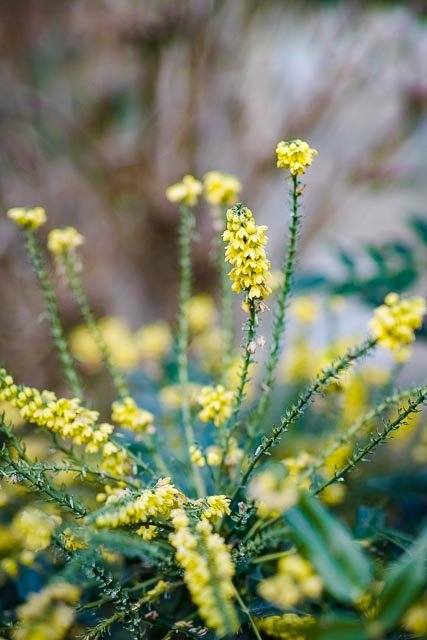
f/1.6 - 1/800 - ISO100
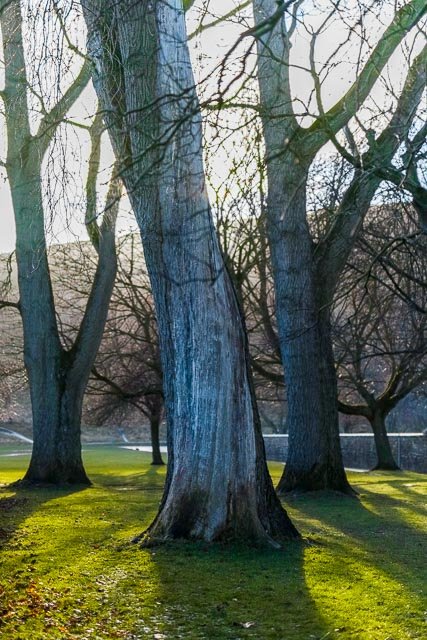
f/1.4 - 1/3200 - ISO100
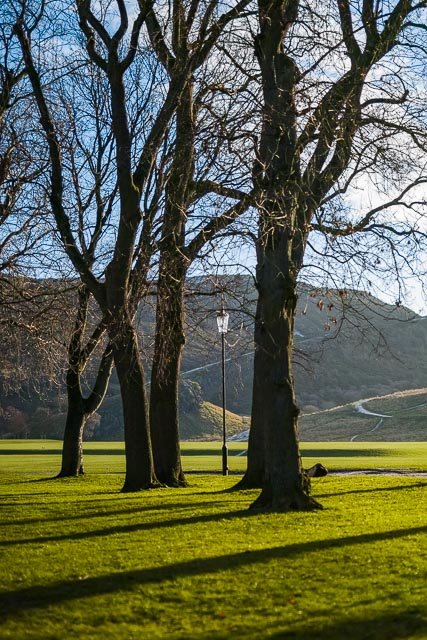
f/1.4 - 1/4000 - ISO100
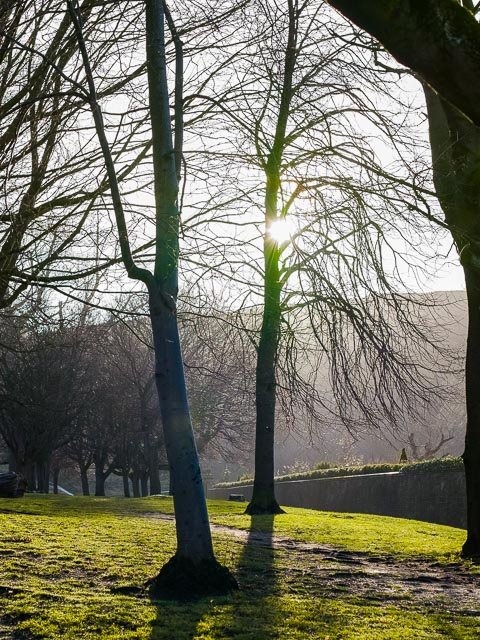
f/4.0 - 1/500 - ISO100
Sometimes those green flares you get when you include the sun in the frame are subtle enough to just about qualify as atmosphere rather than just plain ugly! 
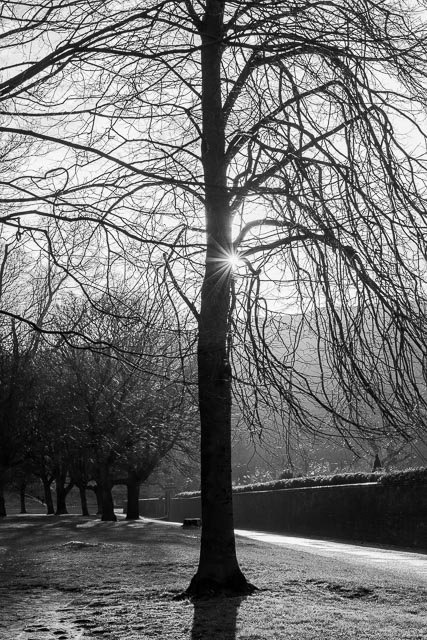
f/5.0 - 1/800 - ISO100
And conversion to B&W can also be a good way of dealing with them. This time the B&W conversion was done in Adobe Lightroom
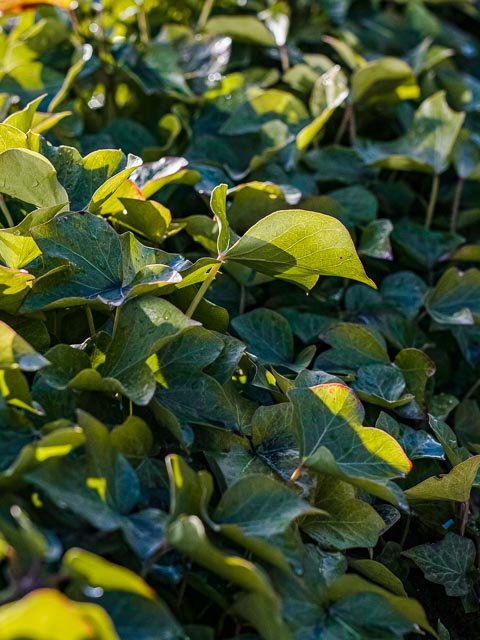
f/4.0 - 1/500 - ISO100
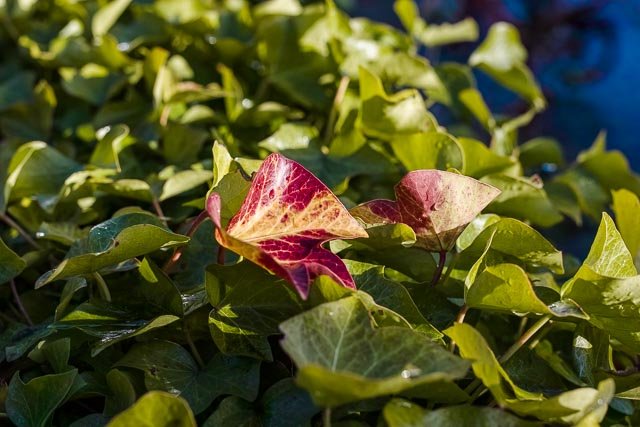
f/4.5 - 1/640 - ISO100
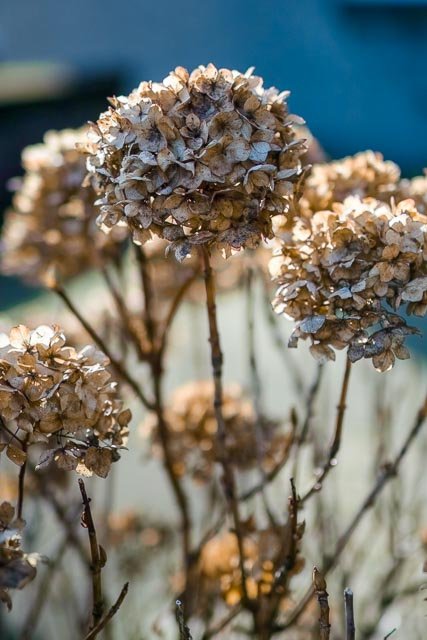
f/1.4 - 1/2500 - ISO100
This one had quite back LoCA (bokeh fringing), but because of the almost monochrome colouring I was able to get rid of most of it just buy using the Colour Mixer in Lightroom to reduce the saturation of the relavent shade of green.
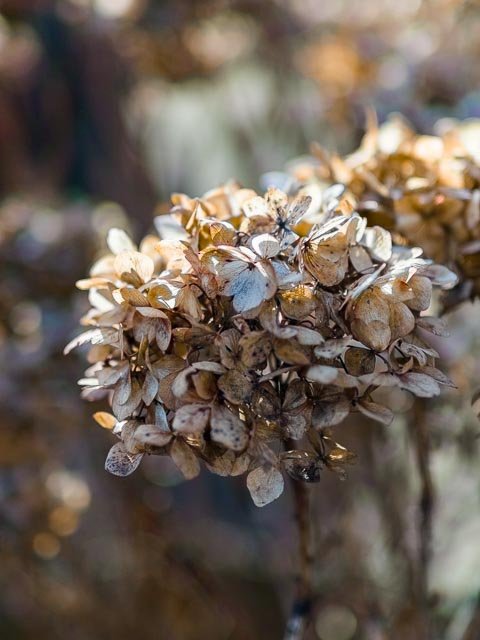
f/1.4 - 1/2000 - ISO100
Ditto for this one.
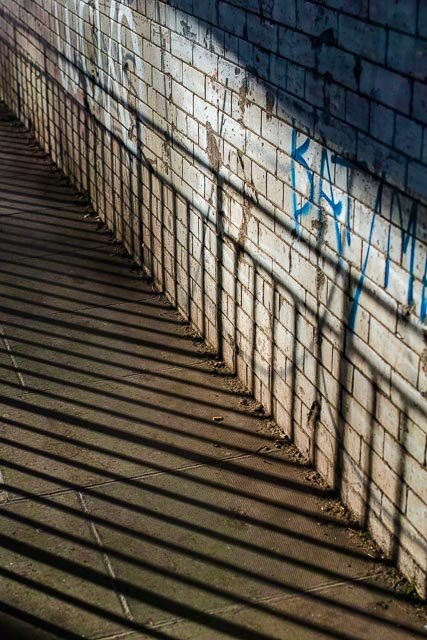
f/3.5 - 1/400 - ISO100
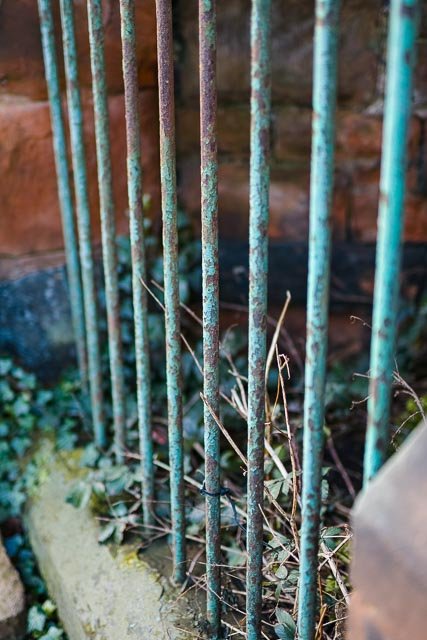
f/1.4 - 1/250 - ISO100
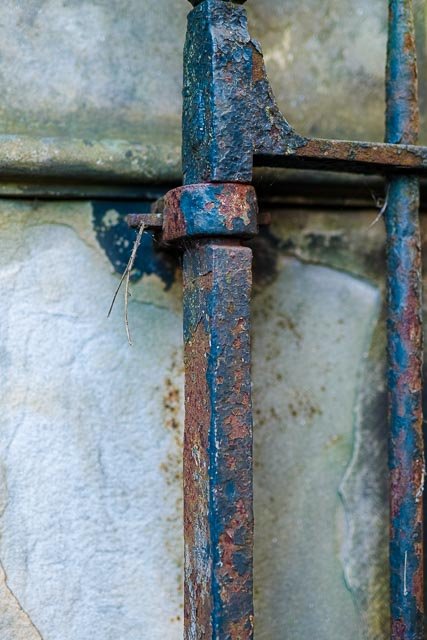
f/1.8 - 1/100 - ISO100
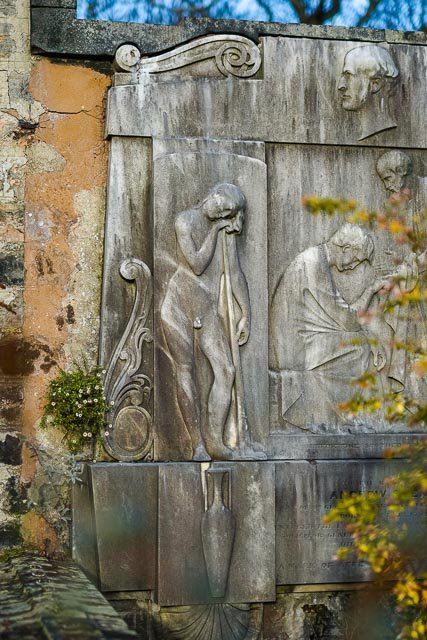
f/1.4 - 1/2000 - ISO100
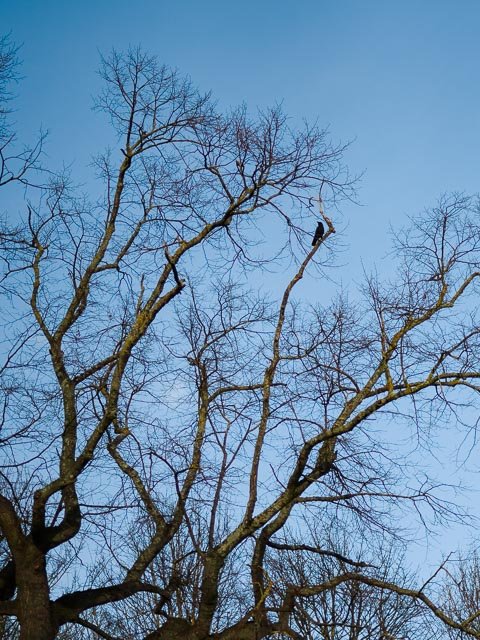
f/1.4 - 1/4000 - ISO100
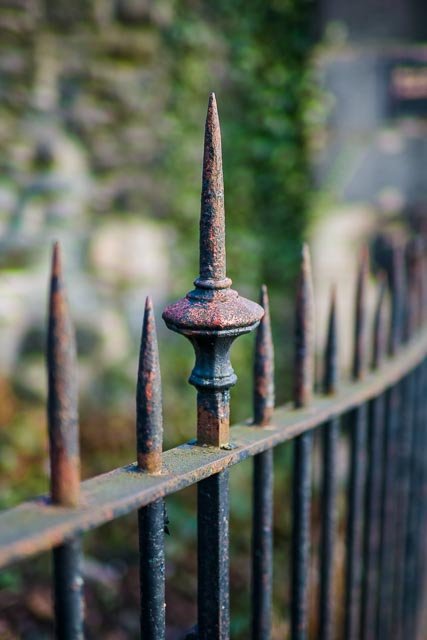
f/1.4 - 1/320 - ISO100
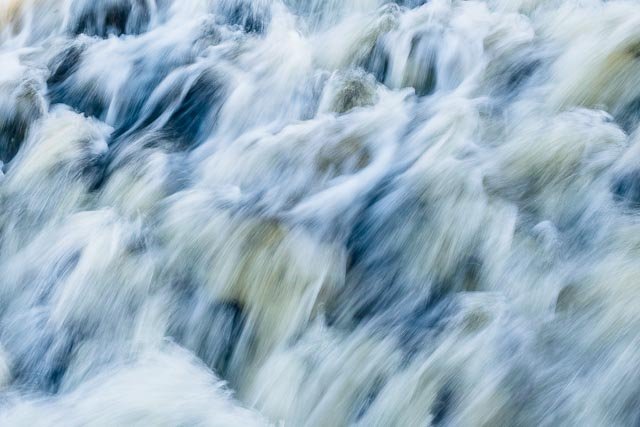
f/16 - 1/13 - ISO100
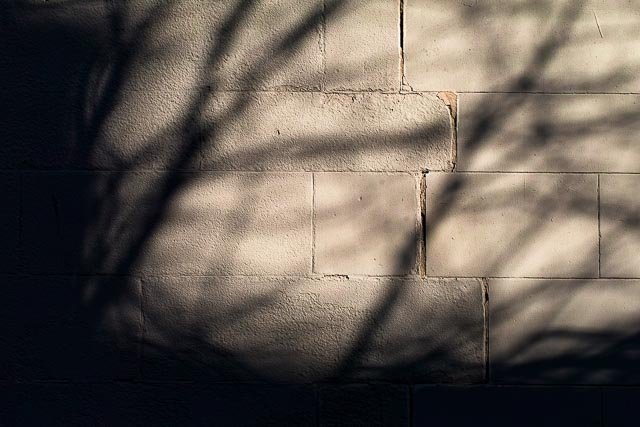
f/5.6 - 1/1000 - ISO100
Using the Sigma 50mm F/1.4 Art on the Sigma SD14
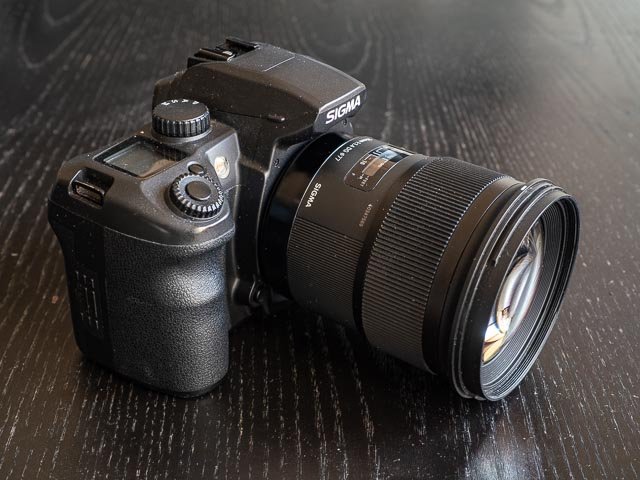 The SD14 has a crop factor of 1.75, so this lens has a field of view similar to a 87mm lens on a full frame camera. In other words it has basically has an archetypal "portrait" short telephoto field of view.
The Sigma SD14 has an APS-C sized sensor there were absolutely no problems with vignetting when using this lens with that camera. The focusing on the SD14 doesn't have quite the accuracy problems at wide apertures as the SDQH, but even so, both speed and accuracy are not great, but at least the files are much smaller, so shooting plenty of image to increase the chances that at least on of them will be in focus takes up a lot less memory card space. Overall I was very happy with the images this lens gave me on the SD14.
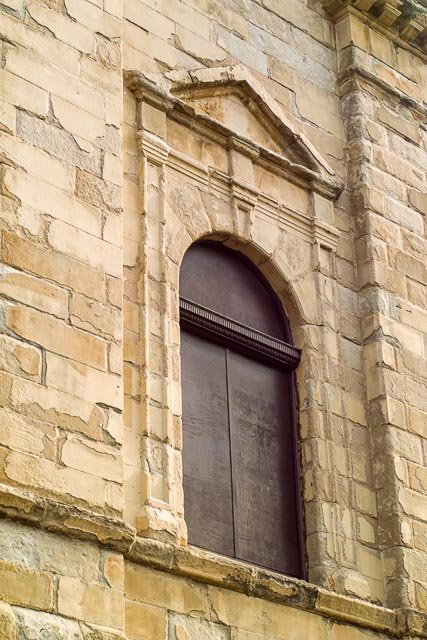
f/4.0 - 1/400 - ISO100
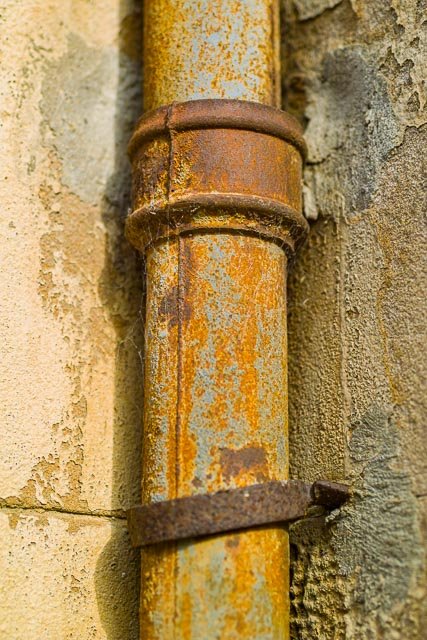
f/1.6 - 1/2000 - ISO100
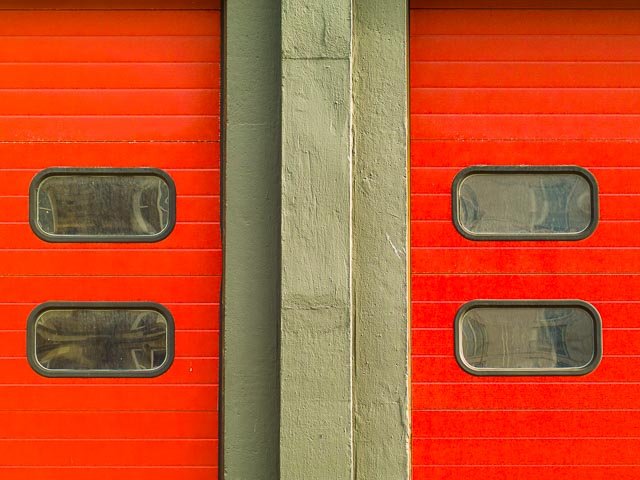
f/2.5 - 1/160 - ISO100
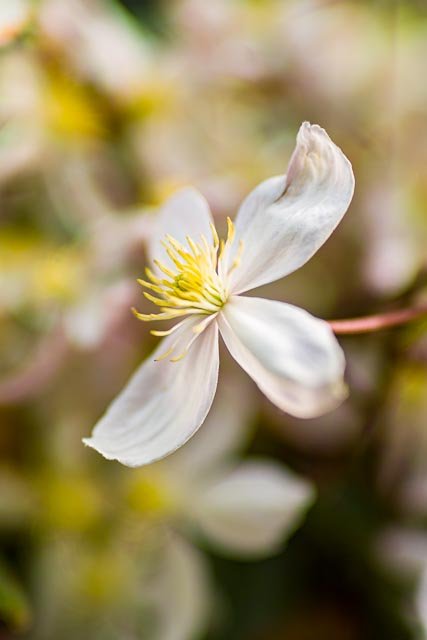
f/1.4 - 1/2000 - ISO100
Using the Sigma 50mm F/1.4 Art on the Sony A7R III
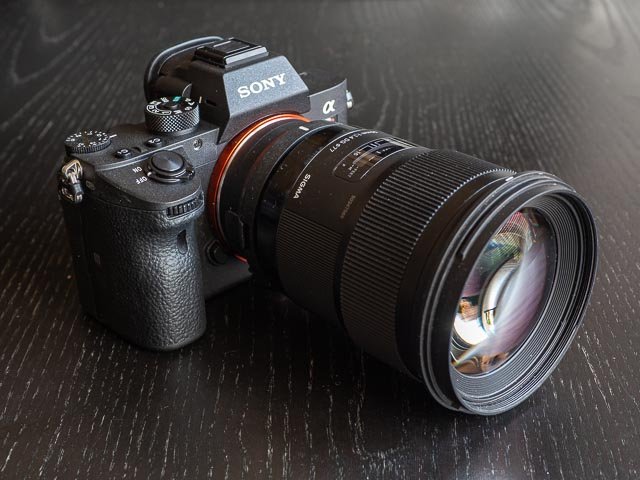 There's no doubt that this lens gave some beautiful results on the Sony A7R III via the Sigma MC-11 adapter. Focusing is not what you'd call quick, but it's perfectly usable with the stationary subjects I normally point my camera at, and most importantly focusing was very accurate. And of course, all the strange Foveon eccentricities I've noticed with my SDQH just melted away on the Sony.
But even though using this lens on my Sony is a much easier and relaxing experience than using it on the SDQH, there's no doubt that there is something subtle but lovely about this lens on the SDQH that I can't help but miss with the Sony. Plus, of course, there is no getting away from the huge size of this lens on any camera, DSLR or mirrorless, Sony or Sigma, and on the Sony you have to add the size of the adapter. When I bought my Sony A7R III recently, I bought the MC-11 adapter almost immediately to give me a good supply of quality lenses to use with it. But I have to admit that the sheer bulk of this lens (plus the length of the MC-11 adapter) means that I think I'll be looking for someting a little lighter for day-to-day use on my Sony.
If you're wondering about the locations, the 1st couple were shot amongst the Georgian town houses of Edinburgh's New Town. Then come some images from the recent bluebell season in Ravelston Woods, probably the best place to see beautiful bluebell displays in Edinburgh. The final 2 images where taken in the Mansfield Place Church, a beautiful church that was exquisitely decorated by Phoebe Anna Traquair between 1983 and 1901 and now looked after by the Mansfield Traquair Trust.
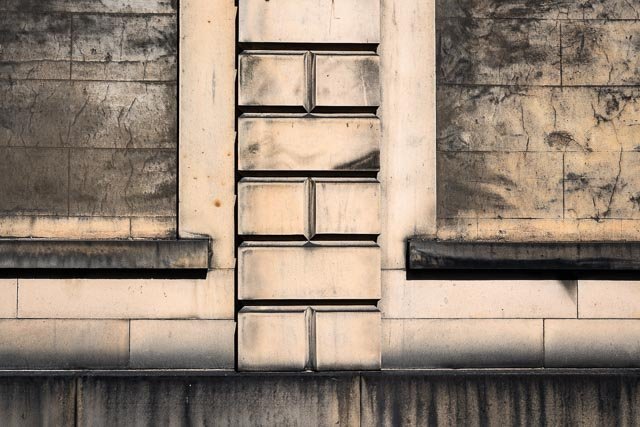
f/6.3 - 1/500 - ISO100
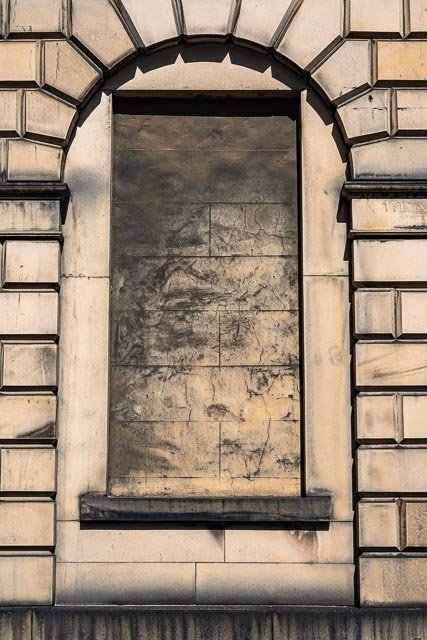
f/6.3 - 1/640 - ISO100
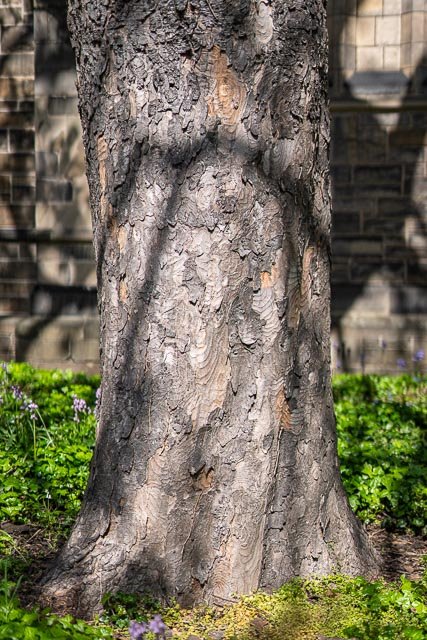
f/1.4 - 1/8000 - ISO100
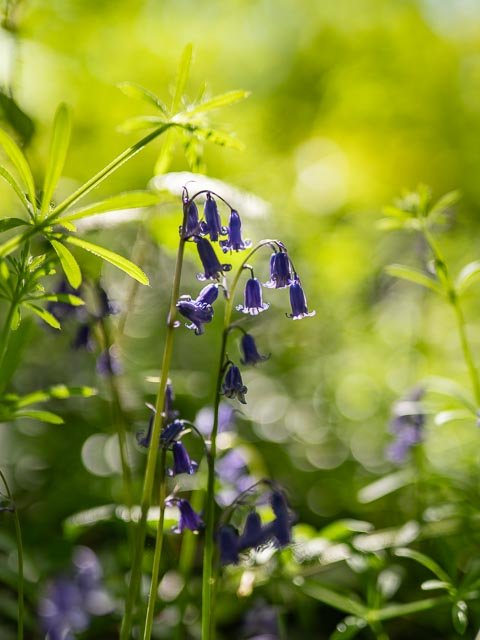
f/1.4 - 1/2000 - ISO100
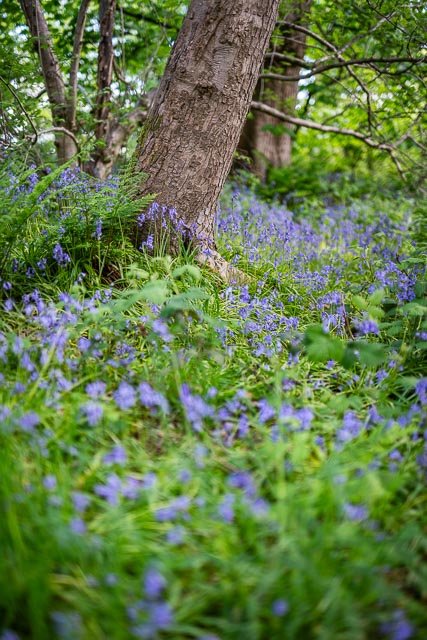
f/1.4 - 1/160 - ISO100
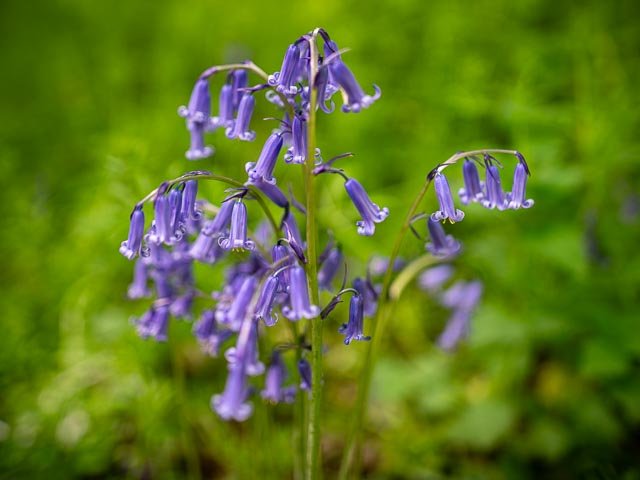
f/1.4 - 1/640 - ISO100
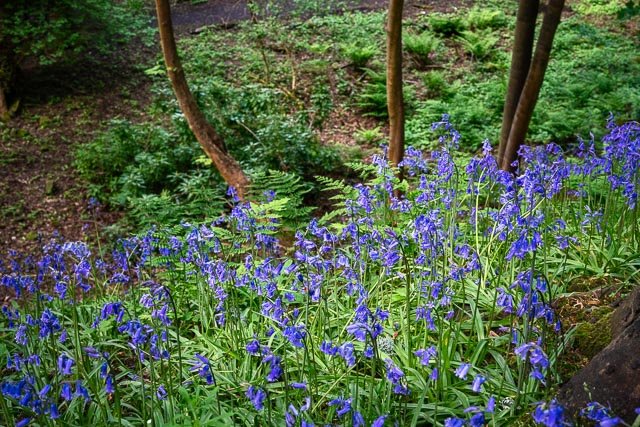
f/11 - 1/50 - ISO3200
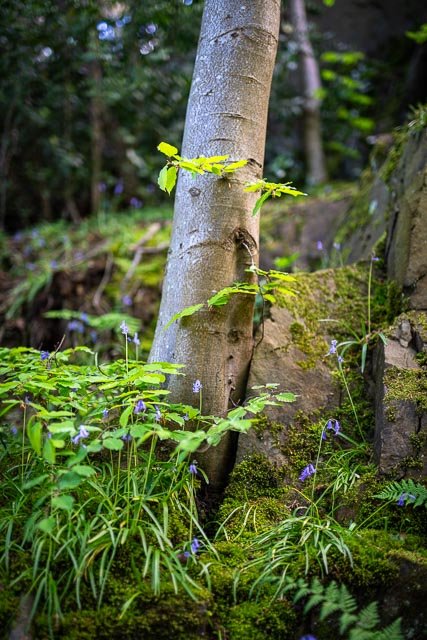
f/1.4 - 1/50 - ISO100
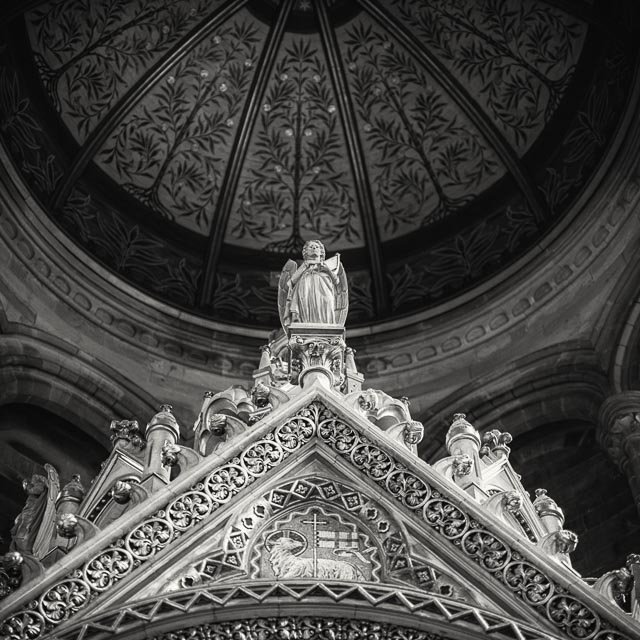
f/1.4 - 1/50 - ISO100
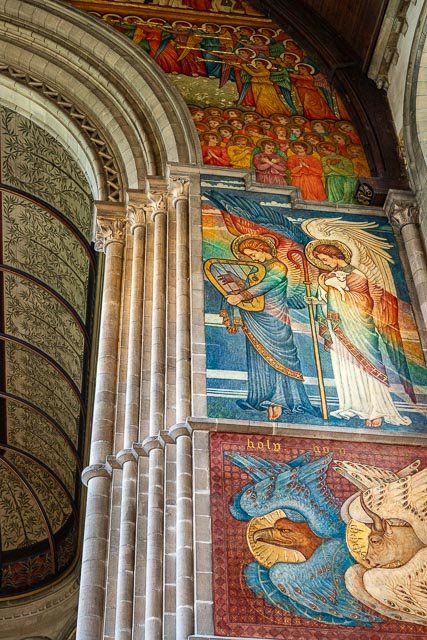
f/4.0 - 1/160 - ISO3200